Research
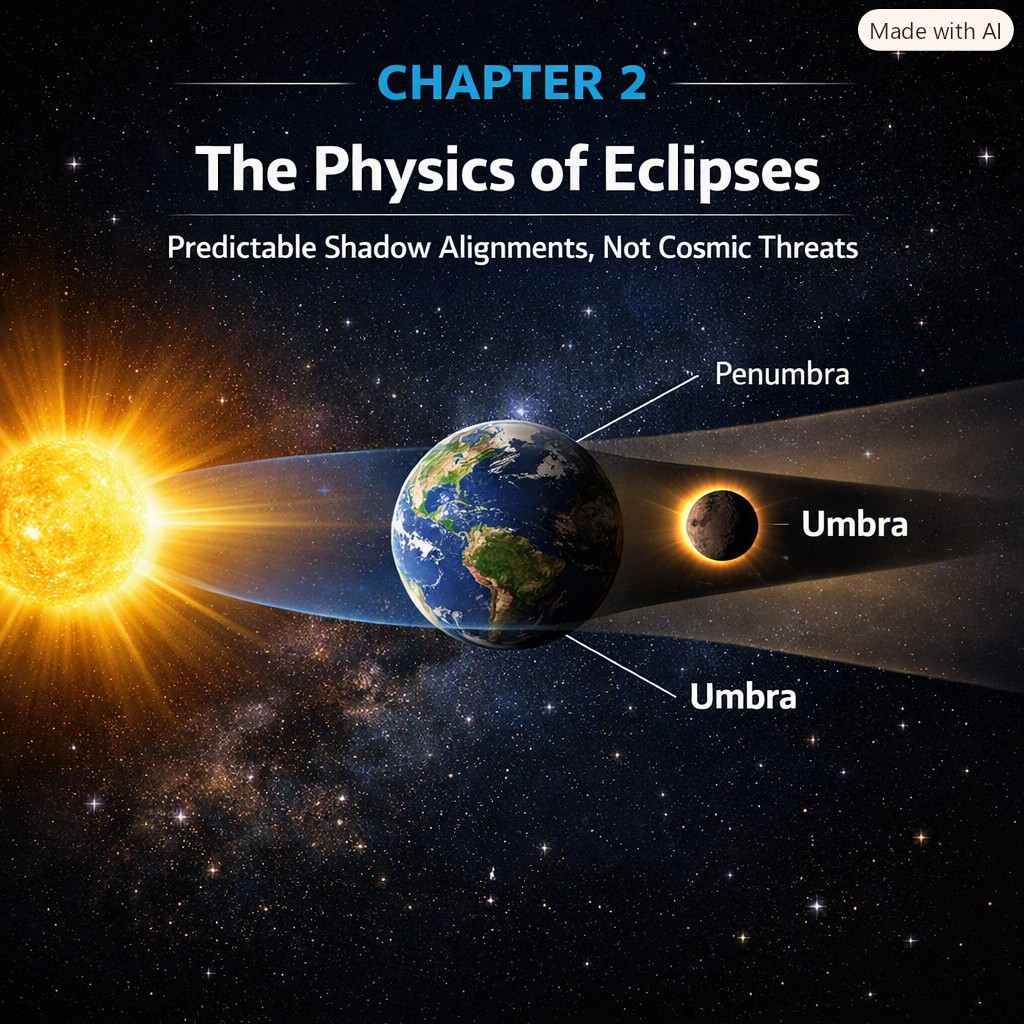
Chapter 2: The Physics of Shadows and Eclipses
In ancient times, the sudden darkening of the Sun during the day or the Moon at night was deeply frightening. Without modern scientific knowledge, people believed invisible entities were "swallowing" the sources of light. Today, the laws of astronomy offer complete...
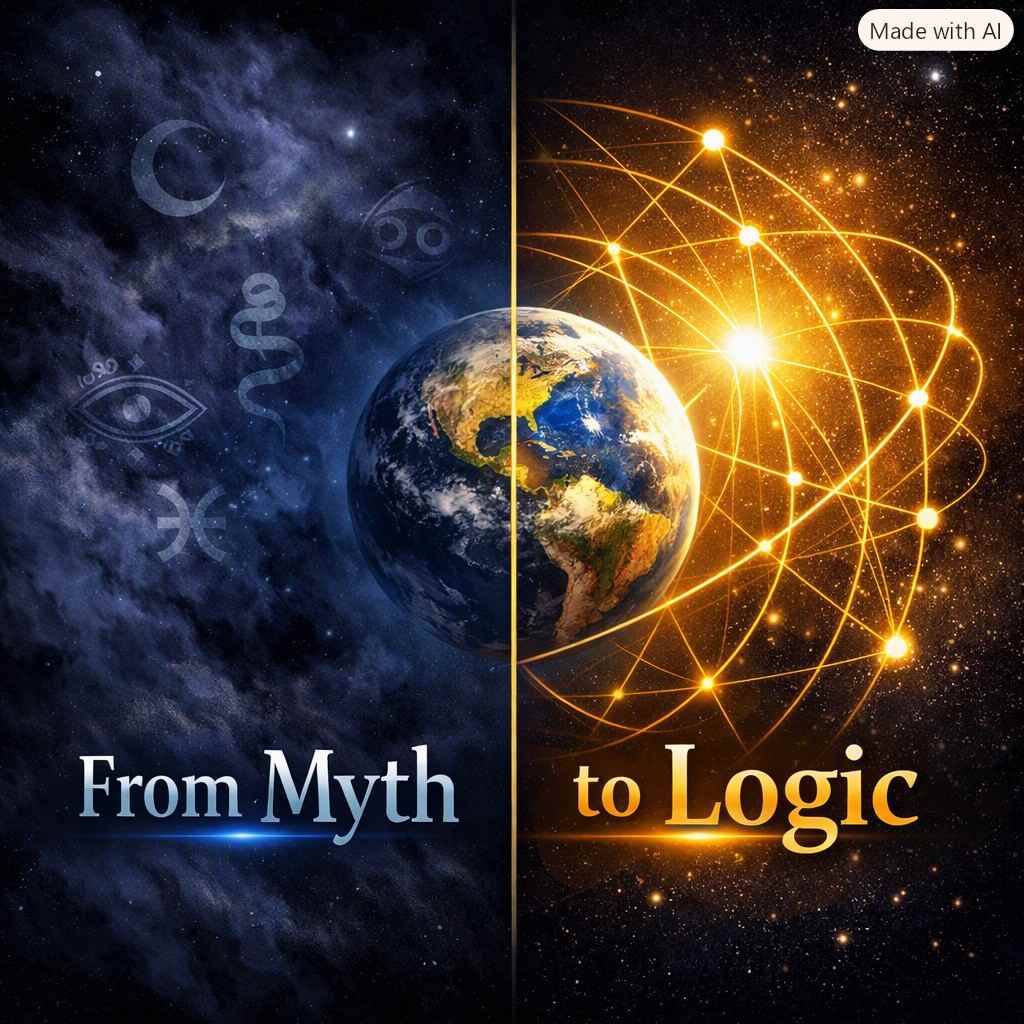
From Myth to Logic: Demystifying Rahu, Ketu, and the Cosmos
Welcome to "From Myth to Logic: Demystifying Rahu, Ketu, and the Cosmos" For generations, names like Rahu and Ketu have been spoken with a sense of hesitation, caution, and even fear. We’ve grown up hearing about dhasas, doshas, and invisible cosmic entities that...
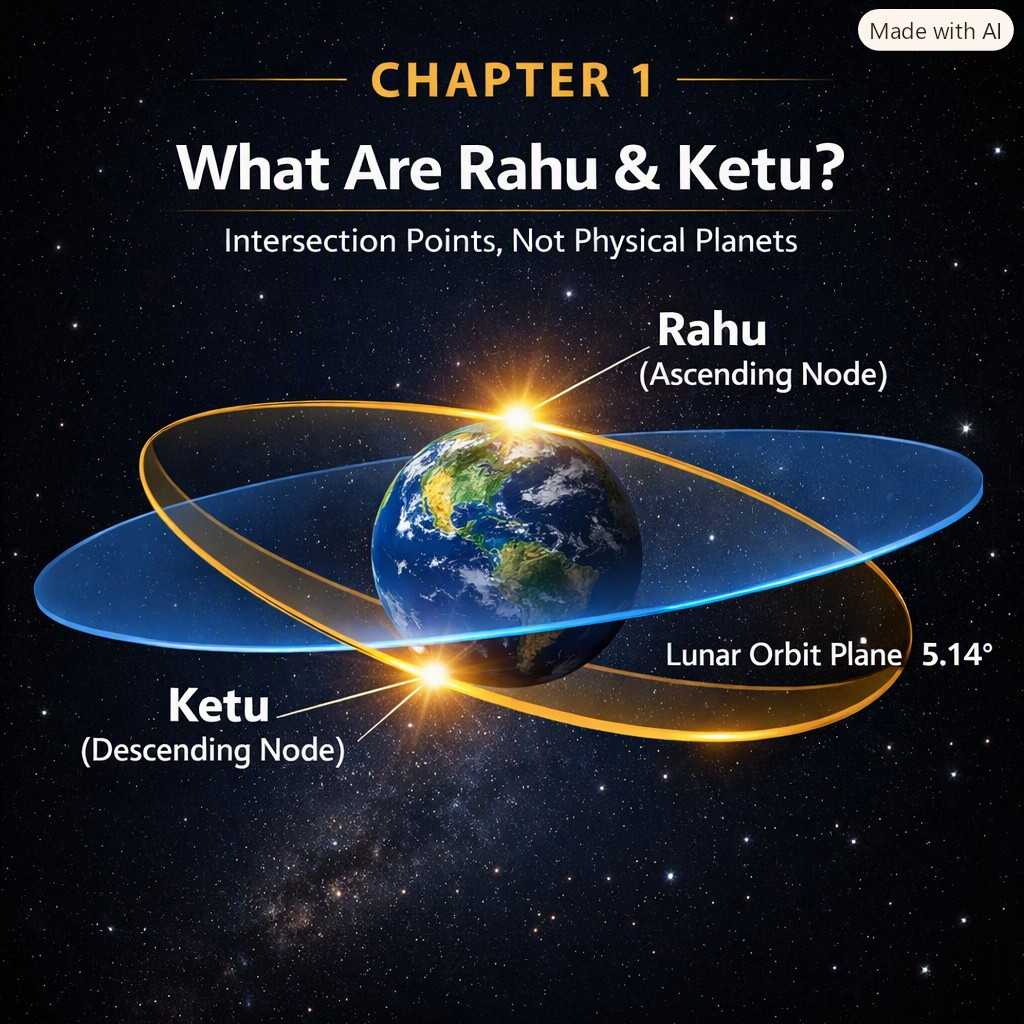
Chapter 1: The Two Invisible Lines in the Sky
What Are Rahu and Ketu Really? (Hint: They Are Not Planets) Main Text: For centuries, many of us grew up hearing about Rahu and Ketu as shadowy forces capable of disrupting lives, careers, and peace of mind. But if you look up at the night sky through a telescope, you...
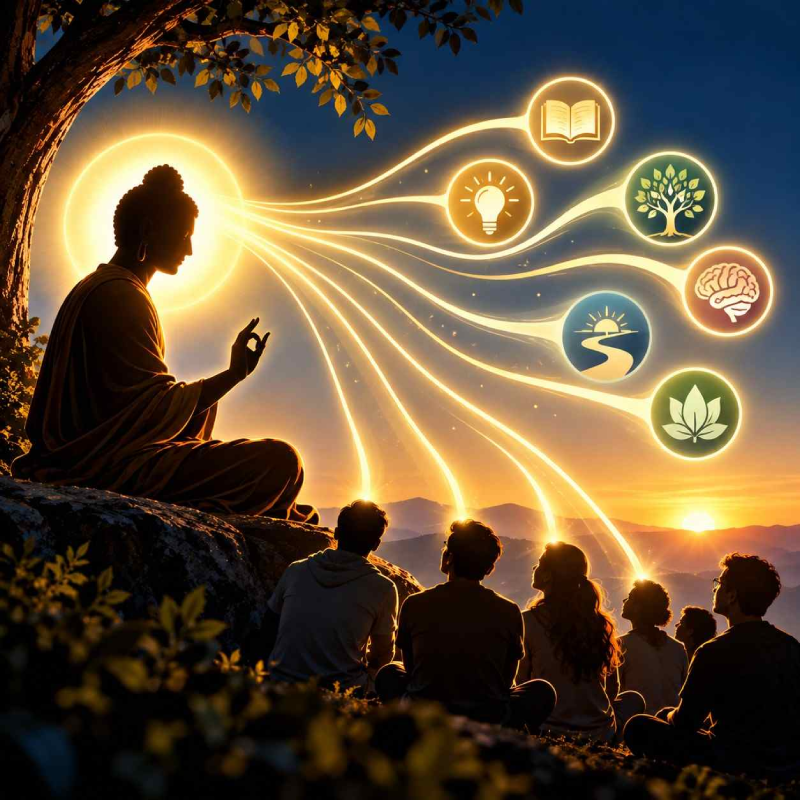
प्रबुद्ध व्यक्ति के चारों ओर दिखाई देने वाला प्रकाश
क्या यह शरीर से निकलता है—या ज्ञान का प्रतीक है? “प्रकाश → प्रतीक → ज्ञान → समझ → आत्मनिर्भरता → जीवन में प्रयोग” हमने अनेक प्रबुद्ध, आध्यात्मिक और पूजनीय व्यक्तियों के चित्र देखे हैं। लगभग सभी परंपराओं में किसी न किसी रूप में उनके सिर या शरीर के चारों ओर सफेद, सुनहरा...
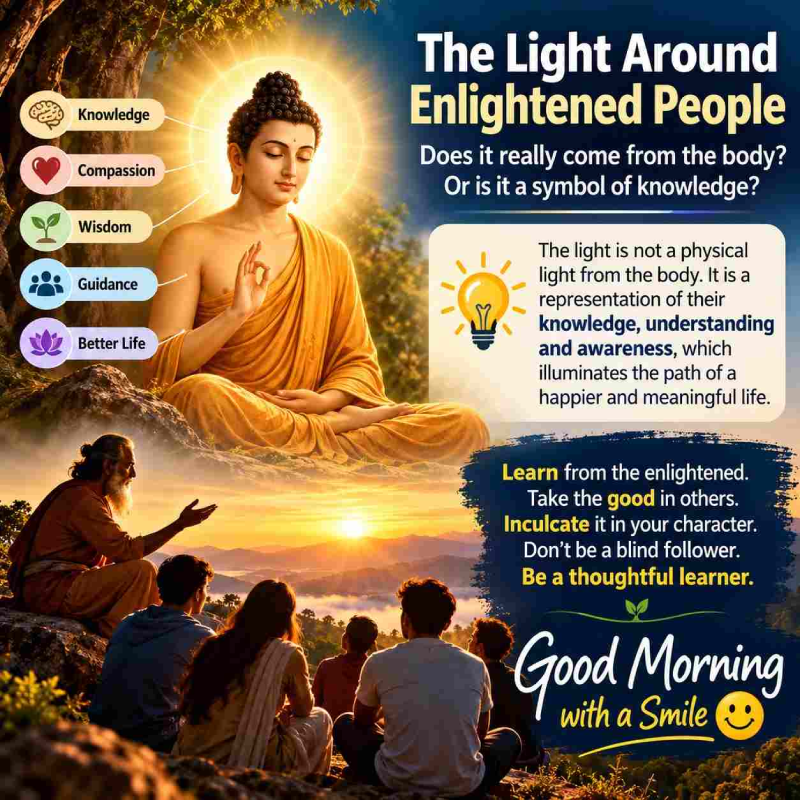
THE LIGHT AROUND AN ENLIGHTENED PERSON
Is it coming from the body—or from knowledge? We have all seen paintings, sculptures and images of enlightened, spiritual or highly revered people. A common feature immediately catches our attention: A circle of white or golden light appears around the head, sometimes...
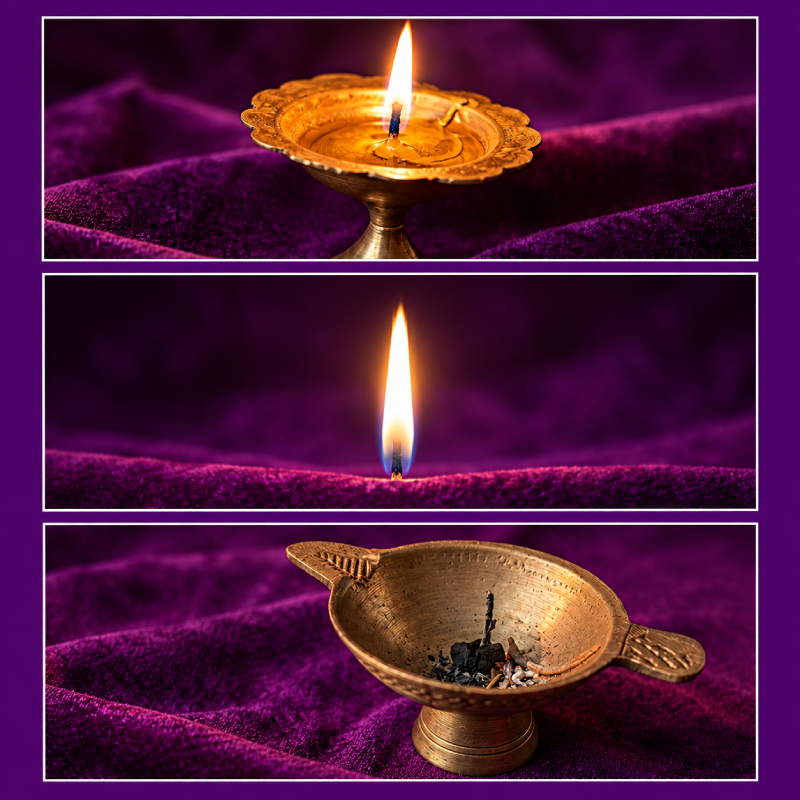
“कुंडलिनी जागरण: पृथ्वी से जुड़ाव से आंतरिक बुद्धि तक”
कुंडलिनी जागरण वास्तव में कैसे होता है। एक साधारण उदाहरण से समझते हैं—एक मिट्टी का दिया, जिसमें सरसों का तेल भरा है, और उसमें रखी एक रुई की बाती। यह रुई मानव शरीर का प्रतीक है, और इसके सूक्ष्म रेशे हमारे पूरे नर्वस सिस्टम को दर्शाते हैं। जब बाती को तेल में रखा जाता...
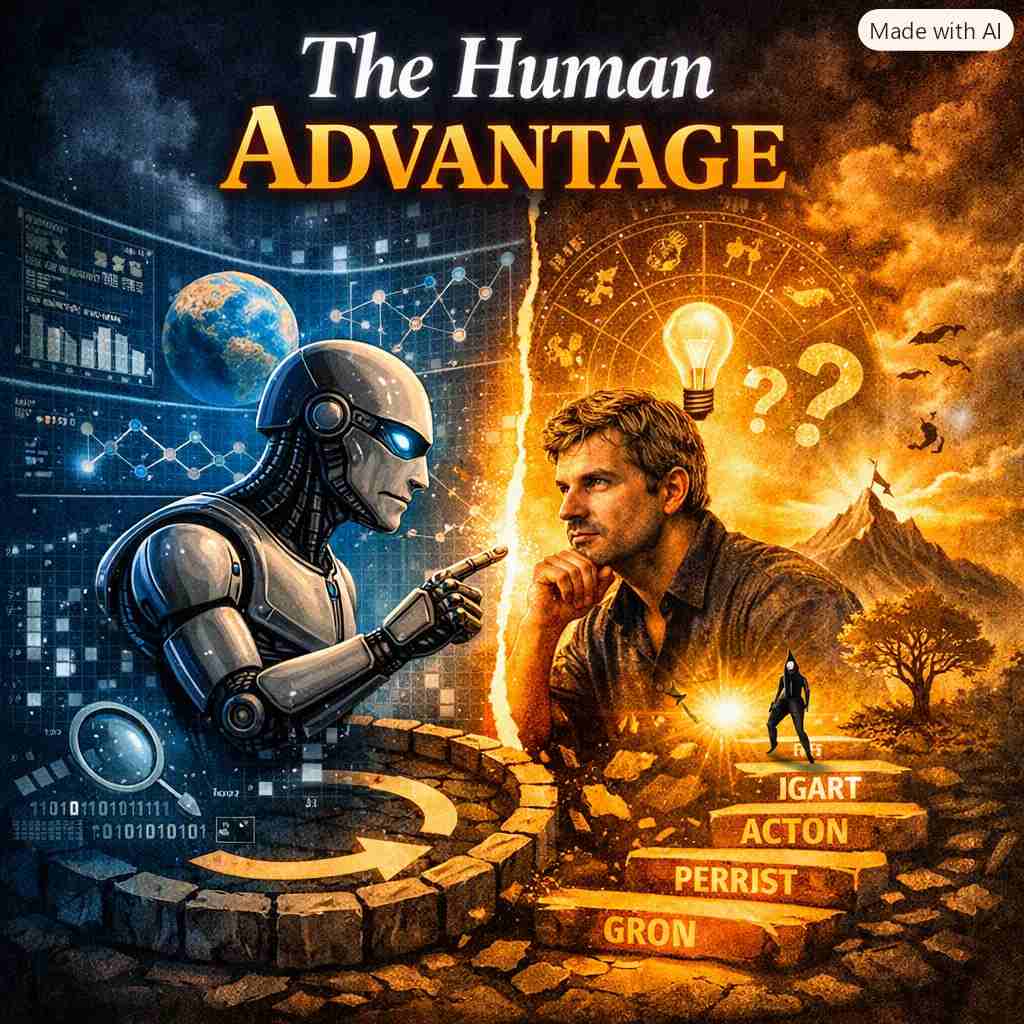
The Human Advantage
The Human Advantage The future may belong neither to humans alone nor to machines alone. It may belong to humans who know how to use machines without surrendering their ability to think. Let computers find the patterns. Let artificial intelligence analyse the data....
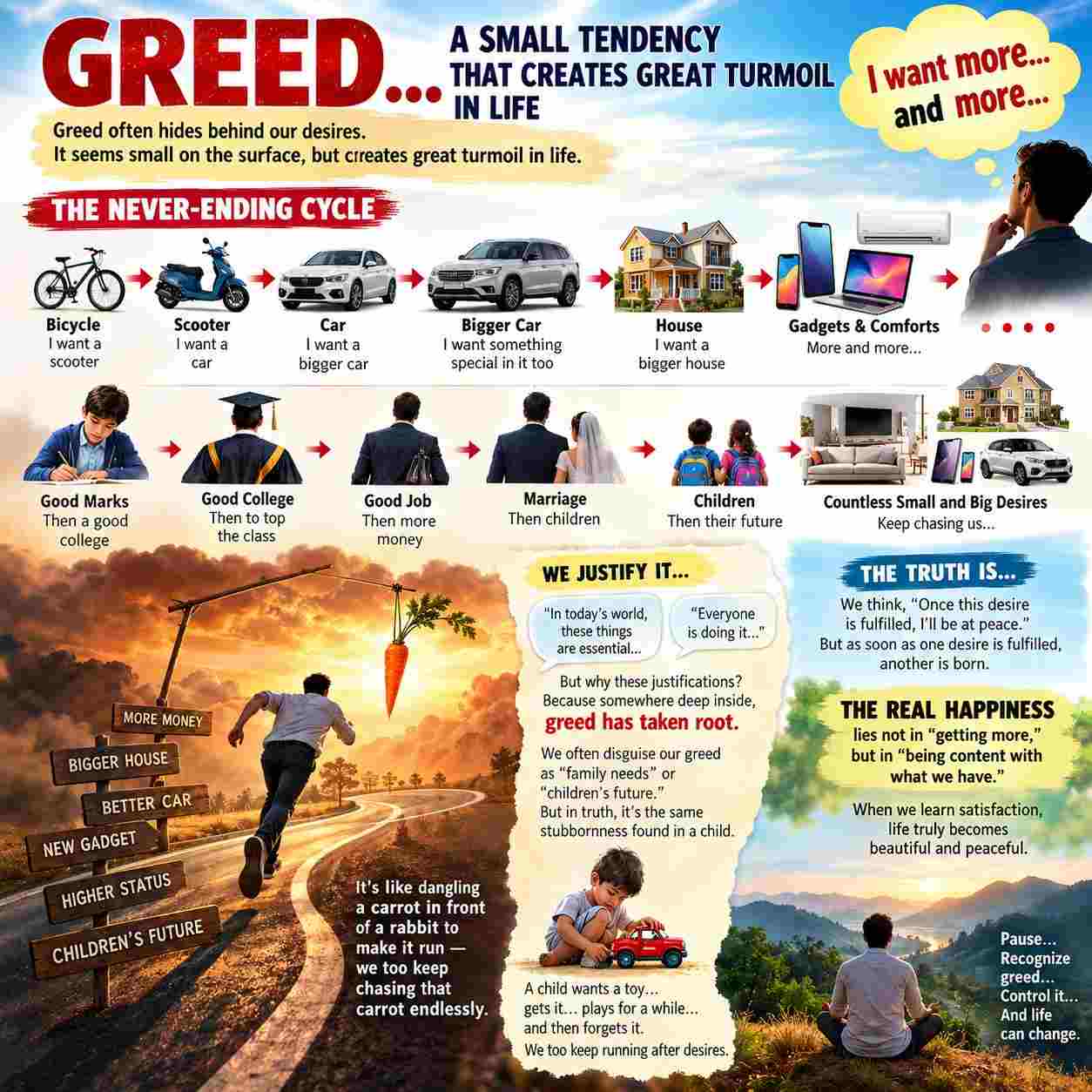
“The Web of Greed: The Endless Race of Desires”
Greed… a tendency that seems small on the surface but creates great turmoil in life. Often, we don’t even recognize it because it hides behind our desires. What exactly is greed? It’s simply an endless craving — “I want more… and more…” A person who owns a bicycle...
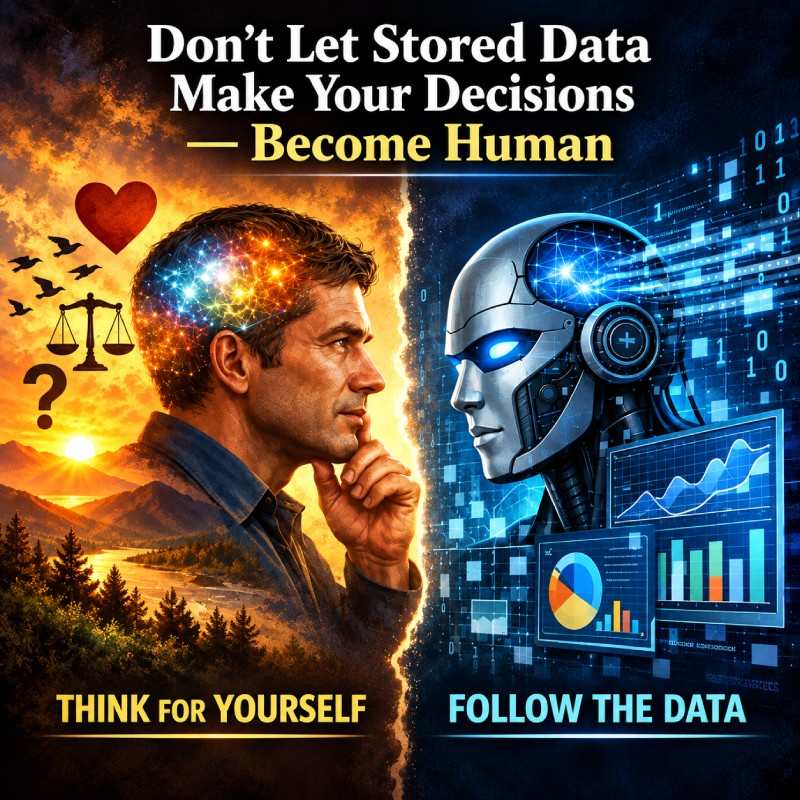
Don’t Let Stored Data Make Your Decisions — Become Human
We are living in an age where almost everything can be converted into data. Our choices are recorded. Our searches are recorded. Our conversations, purchases, movements, preferences and habits are recorded. Computers can store this information indefinitely and process...
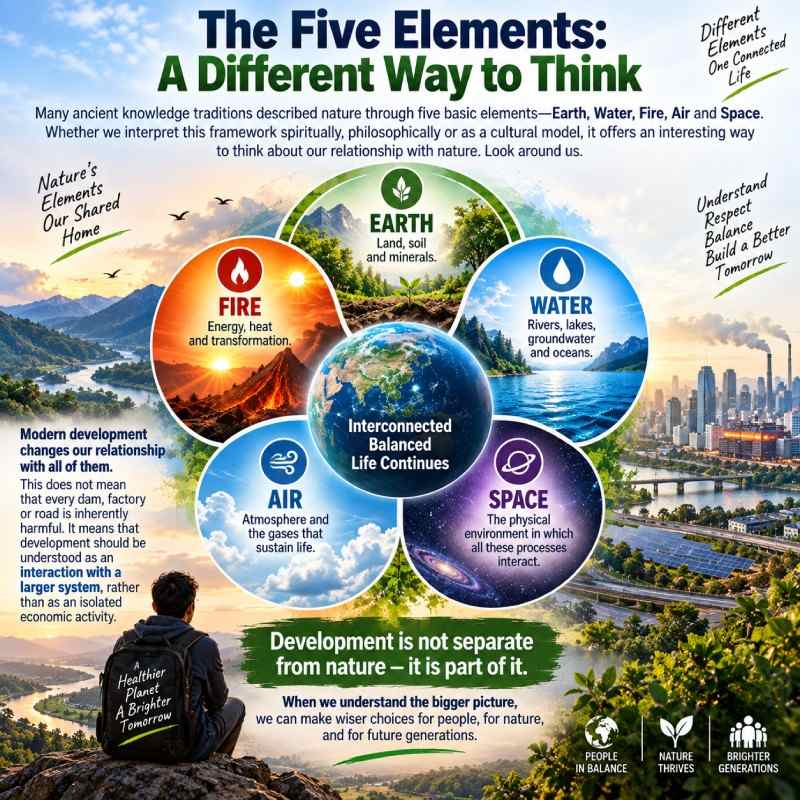
The Five Elements: A Different Way to Think
Many ancient knowledge traditions described nature through five basic elements—Earth, Water, Fire, Air and Space. Whether we interpret this framework spiritually, philosophically or as a cultural model, it offers an interesting way to think about our relationship with...

The Future Needs a New Partnership
Perhaps the answer is not to return to the past. And it is certainly not to blindly accelerate into the future. The answer may be to combine the strengths of both. Elders bring experience. Young people bring possibility. Science brings evidence. Technology brings...
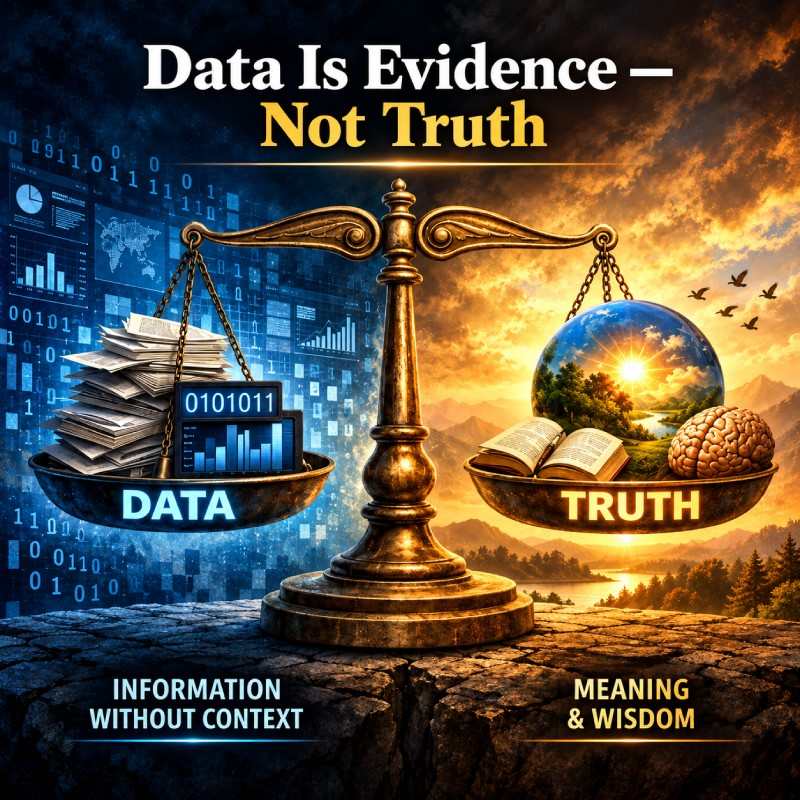
Data Is Evidence — Not Truth
Data can be extremely useful. We should not reject it. Data helps doctors understand diseases, scientists understand nature, engineers build safer systems and researchers discover patterns that human observation alone may miss. The problem begins when we confuse data...
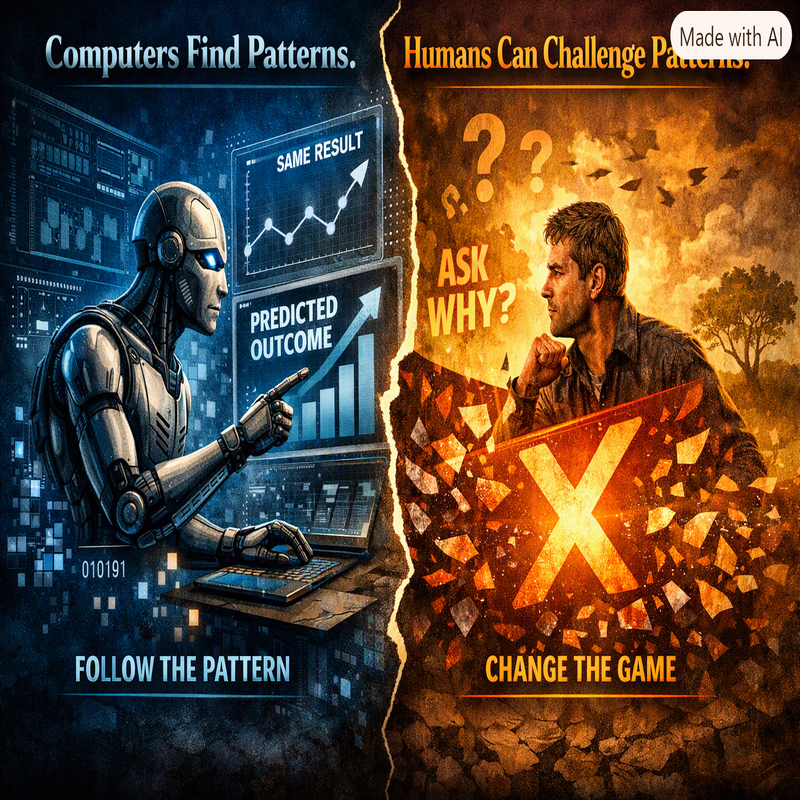
Computers Can Find Patterns. Humans Can Challenge Them.
We are entering an age where computers can find patterns in almost everything. They can study our past behaviour, identify similarities, calculate probabilities and predict what might happen next. But there is something a computer cannot decide for us: Should the old...
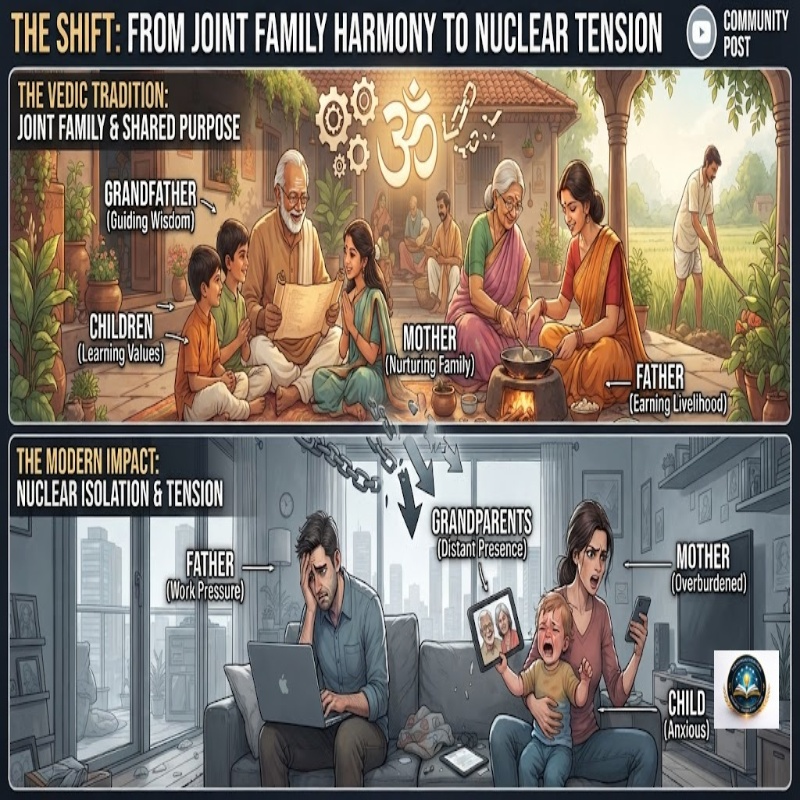
Vedic Wisdom vs. Modern Isolation
We can add a little more to this: Our Vedas clearly divided the responsibilities among the families. For example Father has to earn, a Mother has to take of the family. The roles of grandparents and children were also divided. During that time, moral values were...
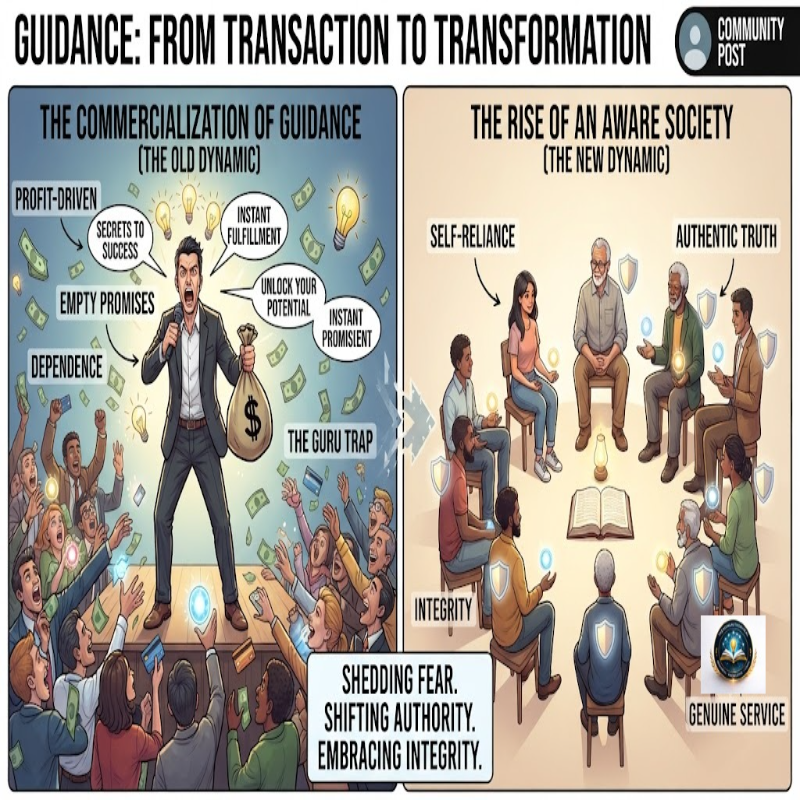
From Profit to Purpose: How the Commercialization of Guidance Destroyed Authentic Leadership
The commercialization of guidance is one of the most concerning shifts of our time, turning what was once a sacred, selfless duty into a profit-driven enterprise. When the masses shed their fears and step into authentic self-reliance, the entire dynamic of authority...
Rooting Responsibility: Why Modern Education Must Revive Moral Values and Defined Roles
These moral values are to be inculcated from primary education, and they should understand their responsibilities. In current circumstances, young generations are not able to take on responsibilities, even as husbands or wives. Females are to be taught about their...
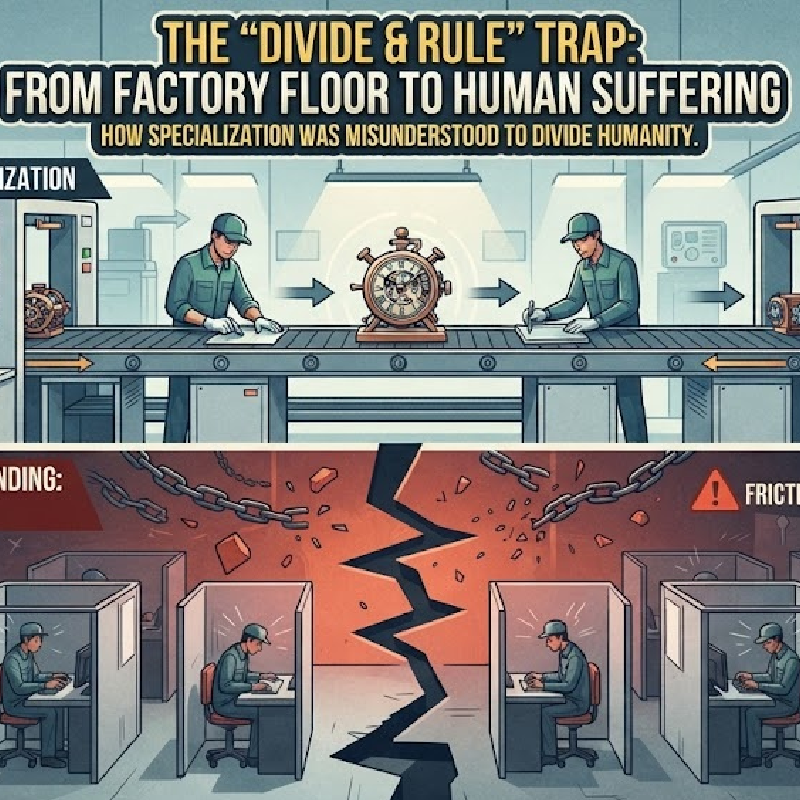
From Factory Efficiency to Human Friction: How “Divide & Rule” Broke Society
How a brilliant manufacturing strategy was twisted into a tool for control—and how we can heal the modern fragmentation of humanity. There was a policy of “Divide & Rule” which was adopted in the manufacturing process. Divide the steps and ask a person to do one...
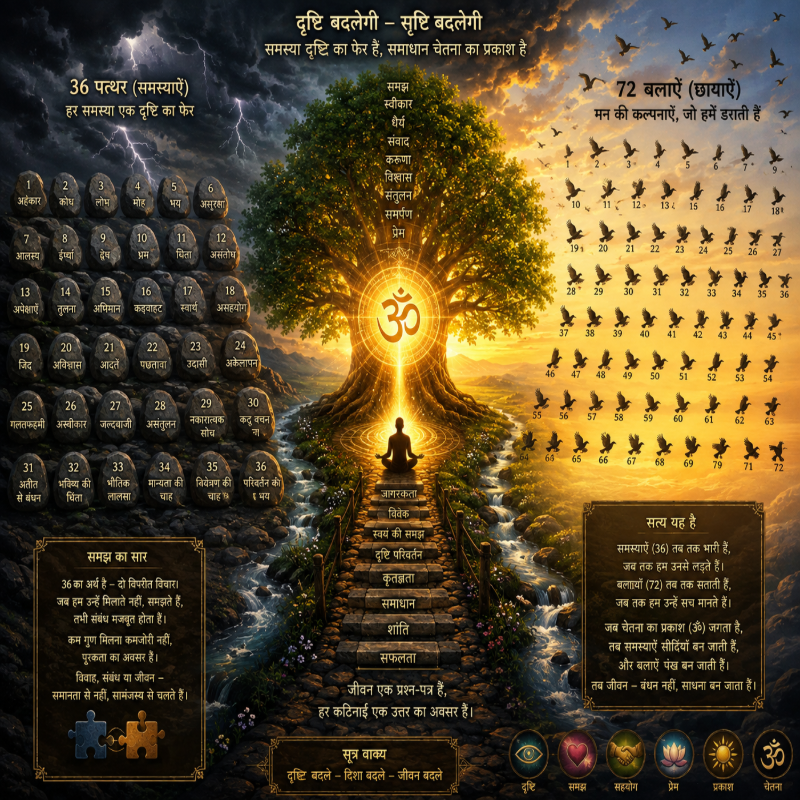
Beyond the Numbers: Why a Successful Marriage is Built on Differences, Not Just Matching Traits
For generations, families across cultures—particularly within the traditions of Vedic astrology—have approached the milestone of marriage with a meticulous checklist. Central to this process is the ancient system of Ashtakoot Milan, where a prospective couple's...
Have You Ever Felt That History Isn’t Just Repeating, But Following a Hidden Code?
For centuries, we have been told that human history is a chaotic timeline of random occurrences—unpredictable wars, sudden economic collapses, spontaneous cultural renaissances, and unexpected natural upheavals. We view civilizational rise and fall as mere...
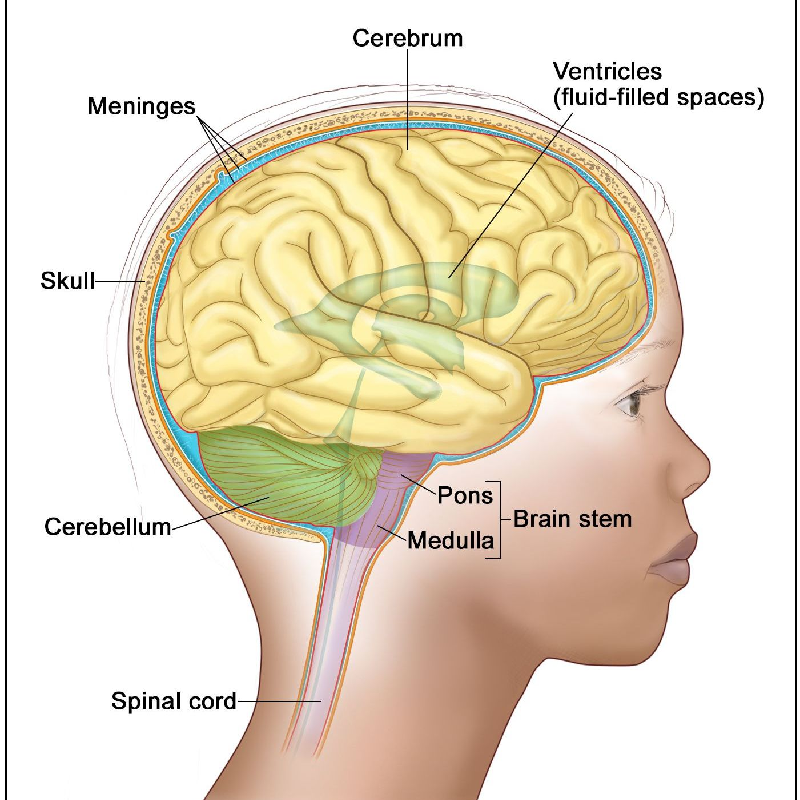
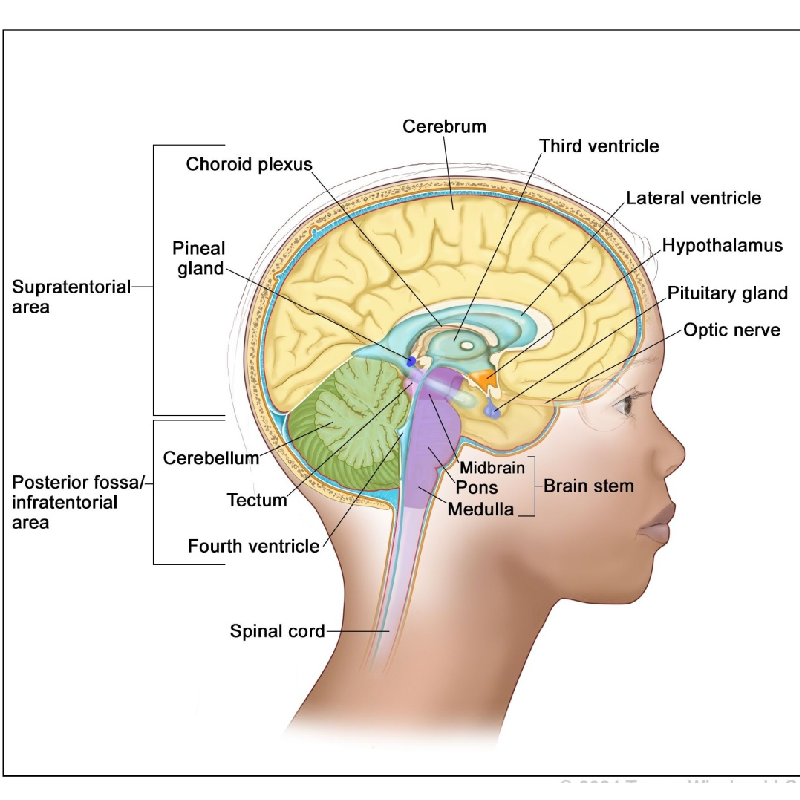
Push Technique (Exhale: Coccyx → Brain)
Process O → Coccyx to stomach OU → Stomach to midbrain M → Midbrain to whole brain Breath: Strong exhale, abdomen pulled inward Energetic Direction: Bottom → Up Breath Type: Active Exhalation Likely Effects Physiological Activates abdominal compression → stimulates...
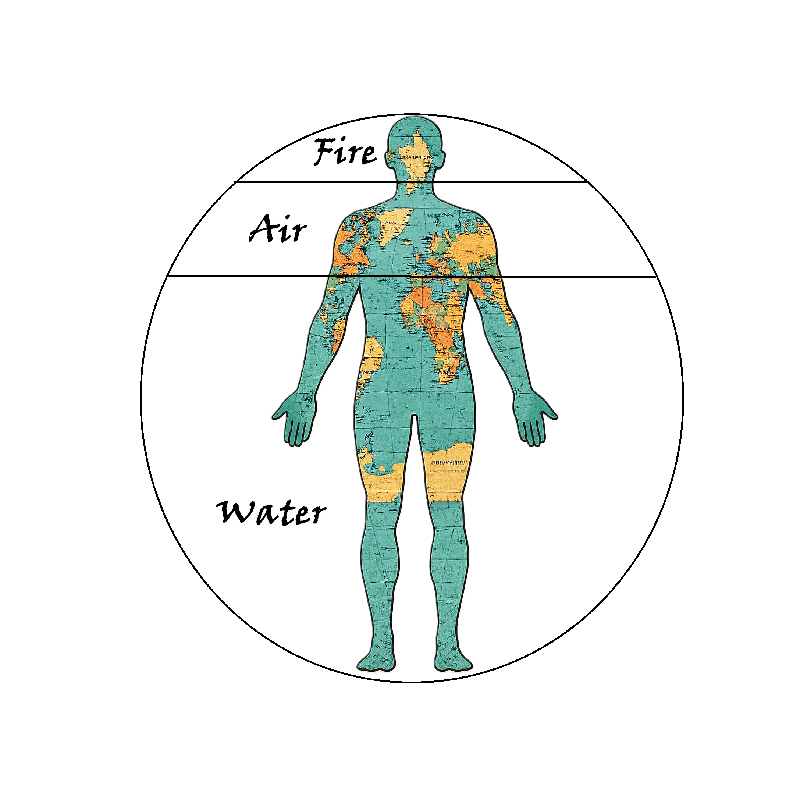
EarthBodyMap – BAND C (Water Band)-Tropic of Cancer (23.5°N) to South Pole
EarthBodyMap – BAND C (Water Band) ParameterValueBandCLatitude RangeTropic of Cancer (23.5°N) to South PoleElementWaterHuman Body RegionAbdomen, Navel, Pelvis, LegsEarth FunctionNourishment, growth, reproduction, biodiversityApprox. Surface Share~70%Major...
EarthBodyMap –BAND B (Air Band)
EarthBodyMap –BAND B (Air Band) ParameterValueBandBLatitudeArctic Circle to Tropic of CancerElementAirHuman RegionChest, lungs, heart, throatGlobal RoleCommunication, circulation, exchangeApprox. Countries60–70Approx. Population~5 billionKey ResourcesKnowledge, trade...
EarthBodyMap – BAND A (Fire Band)
Band A functions as Earth's Brain and Energy-Regulation Center. Just as the human head: Monitors the body, Regulates temperature, Coordinates systems, Stores memory, Band A (North Pole to Arctic): Regulates planetary temperature, reflects solar radiation, Stores...
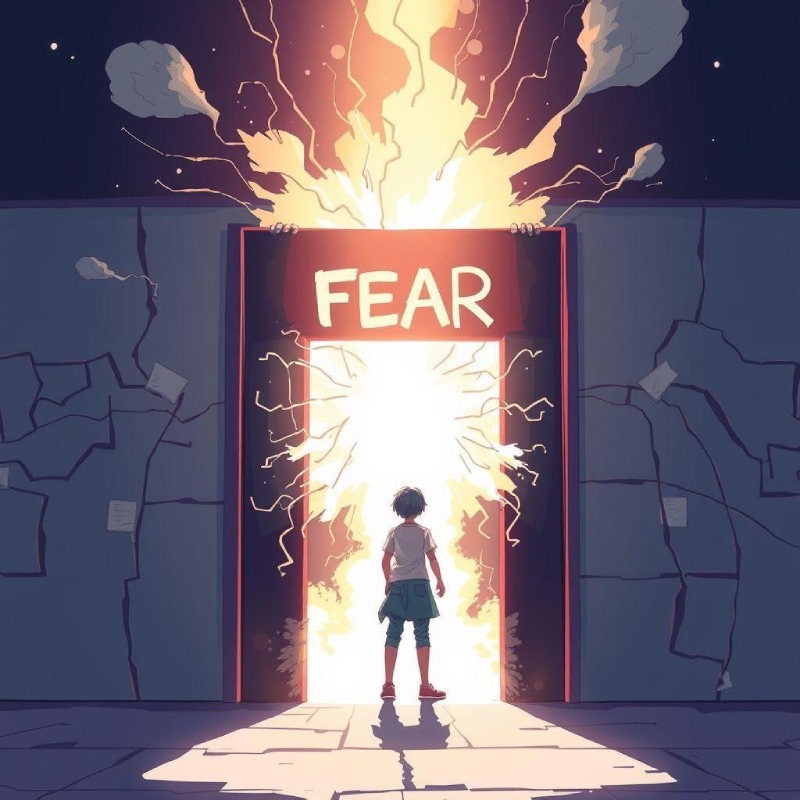
The Cosmic Transition Theory
A Mathematical Model of Planetary Degrees, Rashi Dasha, the Four Yugas, and Human Civilization The Extensive Motion of the Solar System, Planetary Degrees, Rashi Dasha, and the Four Yugas: Towards a Scientific Understanding of Astrology Abstract For thousands of...
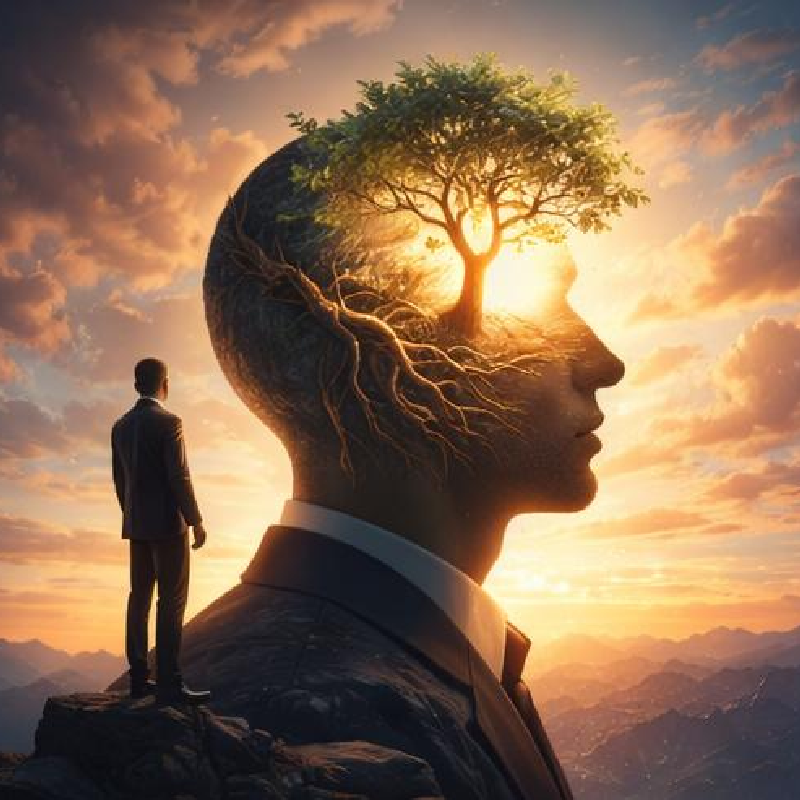
Re-understanding Karma, Suffering, and Human Consciousness
The central idea of this mission is profound: Human beings are not necessarily suffering because of unknown past lives, but because of the continuous chain of thoughts, reactions, habits, emotions, and behaviors created every moment in this life. This understanding...
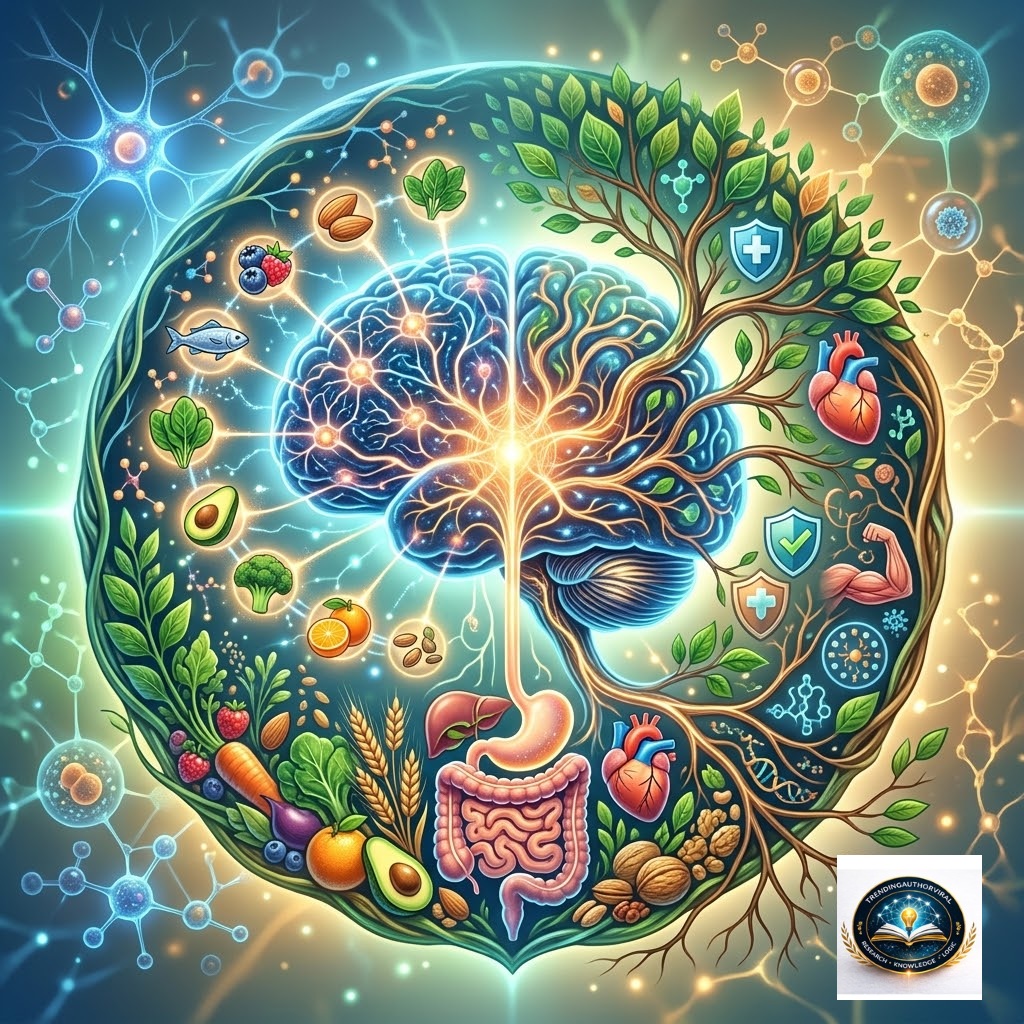
Eat to Think
The Regulation Principle: How Food Shapes the Mind, Decisions, and Health Modern healthcare has made remarkable advances in treating disease, yet many lifestyle disorders continue to rise. This article explores a simple but often overlooked principle: the human body...
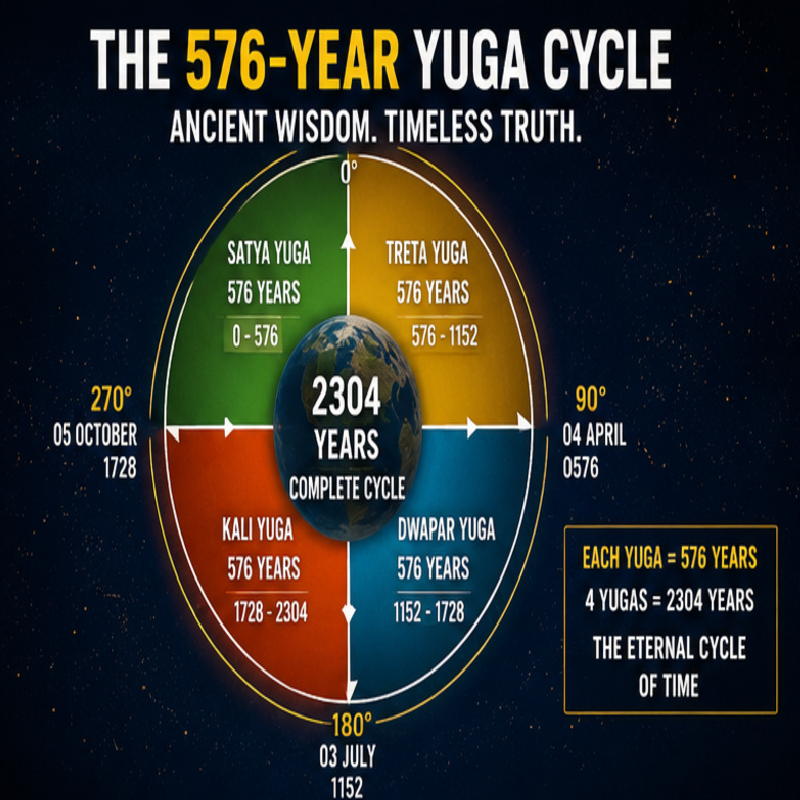
The 576-Year Yuga Cycle: Why Earth’s Shorelines Are Changing
The Drifting Shorelines An introduction to the physical movement of the Earth's continents. It establishes how the shifting of the planet's physical body mirrors the deeper, unseen movements of human consciousness. 1. The Core Concept: Continental Drift In the early...