The Regulation Principle: How Food Shapes the Mind, Decisions, and Health
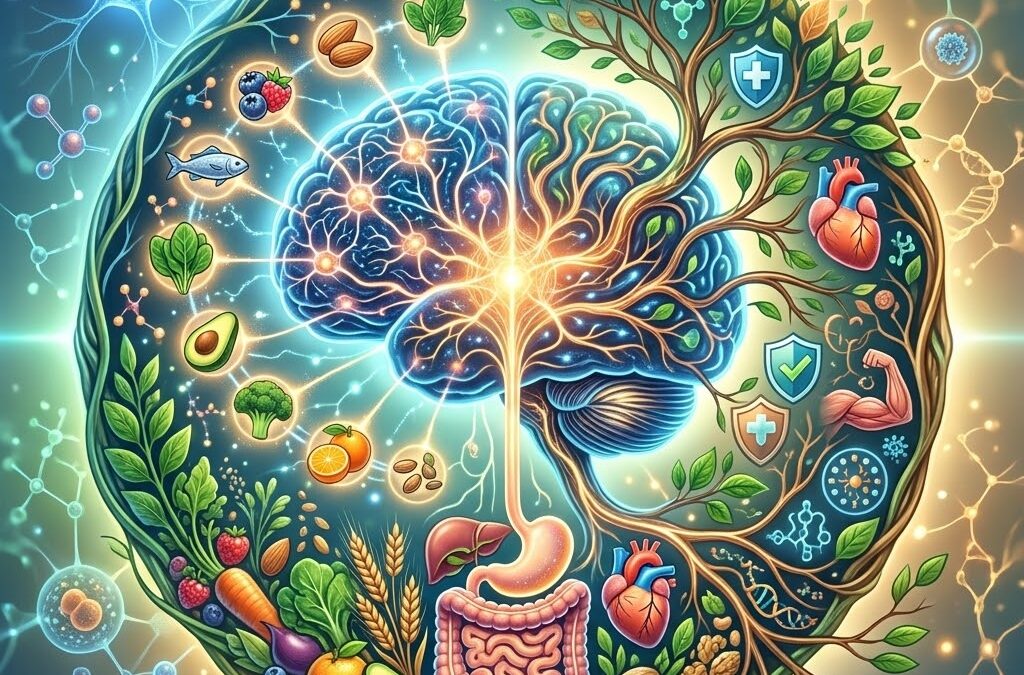
Modern healthcare has made remarkable advances in treating disease, yet many lifestyle disorders continue to rise. This article explores a simple but often overlooked principle: the human body is a dynamic self-regulating system. Excess food, irregular eating patterns, chronic stress, and disrupted biological rhythms gradually impair this natural regulation, affecting not only physical health but also attention, emotional balance, reasoning, and decision-making.
Rather than prescribing a universal diet, the article proposes universally applicable principles—moderation in food intake, appropriate intervals between meals, adequate rest, and mindful self-observation. These habits help reduce unnecessary physiological stress and support the body's innate regulatory mechanisms.
The article does not oppose modern medicine. Instead, it suggests that lifestyle regulation and medical care should complement each other. As regulation improves, many people may experience better metabolic health, improved cognitive function, and, under medical supervision, a reduced need for long-term medical intervention. The central message is simple: better regulation leads to better decisions, healthier lives, and greater well-being.
"The quality of our thoughts is influenced not only by what we think, but also by how we nourish our body."
Modern civilization has achieved extraordinary progress in medicine, technology, and nutrition. Yet, despite greater food availability and advanced healthcare, lifestyle disorders, stress, anxiety, obesity, diabetes, hypertension, and declining mental well-being continue to rise.
This paradox raises an important question: Is the problem simply what we eat, or is it how we eat?
At the Earthbody Mission, we believe the answer lies in understanding the human body as a dynamic self-regulating system. Our objective is not to prescribe a universal diet, but to encourage universal principles that support the body's natural intelligence.
The Body is Designed to Regulate Itself
Every second, the human body performs millions of regulatory functions without conscious effort. It balances:
- body temperature,
- blood glucose,
- hormones,
- digestion,
- immune responses,
- and countless biochemical reactions.
This remarkable self-regulation allows the body to adapt continuously to changing conditions. However, every regulatory system has limits. When food intake repeatedly exceeds the body's actual requirement, the body must divert increasing energy toward digestion and storage rather than repair, recovery, and higher cognitive functions. Over time, this imbalance affects not only physical health but also emotional stability and mental clarity.
Eating More Does Not Always Mean Thinking Better
Many people assume that more food automatically provides more strength and greater productivity.
In reality, the relationship is more complex. Large meals require significant digestive effort. During digestion, physiological resources are redirected toward the gastrointestinal system. Blood glucose and insulin fluctuate, and the autonomic nervous system shifts toward digestion and storage.
As a consequence, many people experience:
- reduced concentration,
- slower reasoning,
- mental fatigue,
- emotional reactivity,
- and reduced decision-making efficiency after overeating.
This is not a sign of weakness. It is a predictable physiological response. The body is performing exactly as it was designed.
Intelligence Is Often Hidden—Not Missing
One of the greatest misconceptions is to assume that people who struggle to concentrate or make sound decisions lack intelligence. Often, the opposite may be true.
Many individuals live with:
- chronic overeating,
- irregular eating patterns,
- inadequate sleep,
- metabolic overload,
- constant stress,
- and emotional exhaustion.
These factors suppress the brain's ability to express its full potential. Food moderation does not create intelligence. It simply removes some of the obstacles that prevent intelligence from expressing itself.
Why We Do Not Recommend a Universal Diet
People live under very different circumstances. Income, geography, climate, occupation, food availability, culture, age, and health conditions all influence dietary needs. For this reason, prescribing one "ideal diet" for everyone is neither practical nor scientifically sound. Instead, we suggest universal principles that can be adapted across societies.
These include:
- Avoid habitual overeating.
- Eat according to genuine physiological hunger rather than emotional craving.
- Leave sufficient time between meals for the body to complete digestion and restore metabolic balance.
- Allow the digestive system regular periods of recovery.
These principles are simple, affordable, and applicable regardless of cultural or economic background.
The Brain Needs Recovery Time Too
Modern life encourages constant consumption—not only of food, but also of information, entertainment, and stimulation. Just as muscles require recovery after exercise, the brain and digestive system also require periods of relative quiet.
Increasing the interval between meals is not merely a nutritional practice.
It is an opportunity for the body's regulatory systems to recover, stabilize, and rebalance.
Over weeks and months, consistent moderation may contribute to:
- improved attention,
- greater emotional stability,
- clearer reasoning,
- better learning,
- increased patience,
- and wiser decision-making.
These changes are gradual. They are the result of physiological adaptation rather than instant transformation.
Food and Medicine: Partners, Not Opponents
The Earthbody Mission does not oppose modern medicine. Medicine has transformed human life and remains essential for treating countless conditions. However, medicines are generally administered as standardized chemical interventions, while the human body remains a dynamic system whose requirements change over time.
As health improves—or declines—the body's needs may also change. This is why regular medical review is important. Our perspective is simple: Food and medicine should not compete with one another. They should complement each other. Lifestyle supports regulation. Medicine supports treatment. Together, they help restore health more effectively than either approach alone.
Towards a Smarter Healthcare Culture
Imagine a society where people learn from childhood:
- how much to eat,
- when to eat,
- why recovery matters,
- how emotions influence appetite,
- and how daily habits influence the brain.
Such education would not replace medicine. It would reduce the need for preventable medical intervention by strengthening the body's natural regulatory capacity. Better regulation may contribute to healthier lives, improved cognitive performance, and greater resilience.
The Earthbody Mission Perspective
Our mission is not to promote another diet. It is not to reject modern medicine. It is not to promise miraculous cures. Our mission is to encourage people to understand that the human body possesses extraordinary regulatory intelligence. When we respect that intelligence through balanced nutrition, adequate recovery, appropriate meal timing, restful sleep, and thoughtful living, the body often functions more efficiently, the mind becomes clearer, and wiser decisions naturally emerge.
Health is not merely the absence of disease. It is the harmonious regulation of body, brain, and behavior.
Conclusion
Eat to Think is more than a nutritional message. It is an invitation to rethink the relationship between food, the brain, and human potential. By choosing moderation over excess and regulation over habit, we create the conditions in which both body and mind can perform at their best. The Earthbody Mission believes that improving human health begins not only in hospitals or laboratories, but also at the dining table—one thoughtful meal at a time.
#RegulationPrinciple #FoodAndMind #HealthyLiving #MindBodyConnection #SelfRegulation #PreventiveHealth #LifestyleMedicine #BrainHealth #NutritionScience
#HealthEducation #ThinkBeforeYouEat #EatToThink #MentalClarity #WiseDecisions #HealthyBrain #BetterHealth #ReduceLifestyleDiseases #HealthAwareness #HealthyHabits
#ScienceForSociety